SEO in 2026: Google Tests and Legal Challenges
Today’s digital landscape is shifting rapidly, with Google making significant changes that impact ecommerce SEO and web performance teams. As of August 3, 2026, several noteworthy developments have emerged, from new testing features in Google Ads and Shopping results to legal challenges over AI-generated content. These changes underscore the importance of staying informed and adaptable in your SEO strategies.
New Testing in Google Ads and Shopping Results
Google is currently testing new "top pages" links within Google Ads sponsored listings. These links resemble sitelinks but are labeled as "Top pages," potentially offering advertisers more visibility [1]. In parallel, Google is also experimenting with directly linking to merchant sites from Google Shopping results, bypassing the usual product listing overlays. This could streamline user experiences and potentially increase traffic to merchant websites [4].
What this means for your stack: These tests could alter how users interact with ads and shopping results, emphasizing the need for ecommerce teams to monitor these changes closely.
Branding and SEO: The 'YBYS' Approach
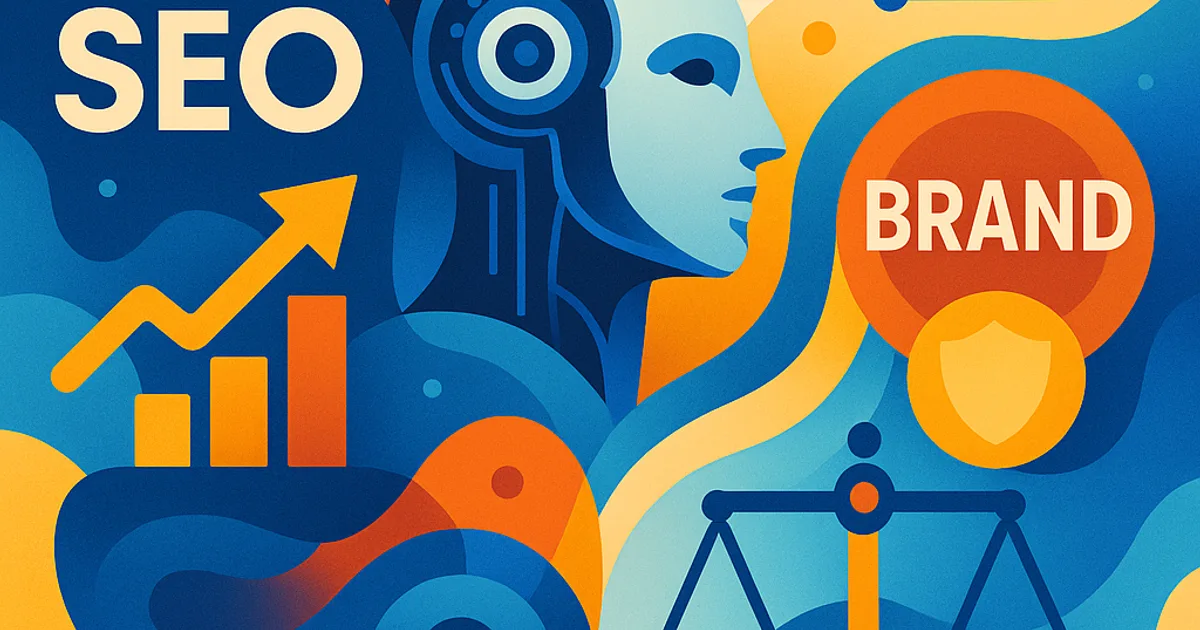
In a landscape increasingly influenced by AI, building a strong brand is becoming crucial for SEO. The 'Your brand = Your SEO' (YBYS) concept suggests that a recognizable brand can help mitigate the potential disruptions caused by AI-driven search algorithms [2]. This strategy focuses on establishing a brand identity that stands out in search results, which could be more resilient against algorithm changes.
What this means for your stack: Prioritize brand-building efforts as part of your SEO strategy to ensure long-term visibility and resilience in search results.
Legal Challenges and AI-Generated Content
Google is facing a lawsuit after its AI Overview feature falsely identified musician Ashley MacIsaac as a sex offender, seeking $1.5 million in damages [3]. This case highlights the potential risks associated with AI-generated content and the importance of ensuring accuracy in automated systems.
What this means for your stack: Be cautious with AI tools and verify the accuracy of AI-generated content to avoid legal and reputational risks.
Google’s Guidance on Third-Party SEO Tools
Google has released new guidance on using third-party SEO tools and services, emphasizing the need for critical evaluation of the advice provided by these sources [6]. This document aims to help businesses make informed decisions when integrating external SEO tools into their strategies.
What this means for your stack: Evaluate the credibility and relevance of third-party SEO tools and advice to enhance your SEO efforts effectively.
Ongoing Search Ranking Volatility
Following the completion of the Google May 2026 core update, there continues to be significant search ranking volatility. Despite the completion date of June 2, 2026, SEO communities are still reporting fluctuations, although third-party tools show relative calm [5].
What this means for your stack: Stay vigilant and monitor your search rankings closely to adapt to ongoing volatility.
Sources
---
Authored by the ControlVitals Editorial Team — performance and SEO practitioners auditing real production sites every day.
Editorial transparency: this article was researched and drafted with AI assistance, then reviewed by our editorial team for factual accuracy before publication.