SEO & Core Web Vitals Updates for 2026-05-14
Staying competitive in 2026 requires attention to evolving SEO strategies and web performance standards. Today’s updates include insights into plugin rebranding issues, Google’s spam report policies, and emerging web platform features. Here’s what you need to know.
---
1. Plugin Rebranding Backlash: Lessons for User Trust
Liquid Web’s recent rebranding of its StellarWP plugins has faced criticism. Users have reported issues such as broken pages, login failures, and confusion over licensing agreements [1]. These disruptions highlight a critical lesson for developers and marketers: rebranding efforts must prioritize seamless user transitions.
What this means for your stack: If you’re planning a rebrand or major update, invest in rigorous user acceptance testing (UAT) and clear communication to minimize disruptions.
---
2. Google Updates Spam Report Policy: Enhanced Privacy
Google has updated its spam reporting tool to address privacy concerns. Previously, reports containing personally identifying information (PII) were shared with the reported site, raising privacy issues. As of now, Google will no longer process spam reports that include PII [4].
This change underscores the growing importance of privacy in SEO-related tools and processes. For site owners, it also reduces the risk of inadvertently receiving sensitive data.
What this means for your stack: Review your spam management workflows to ensure compliance with privacy-first practices.
---
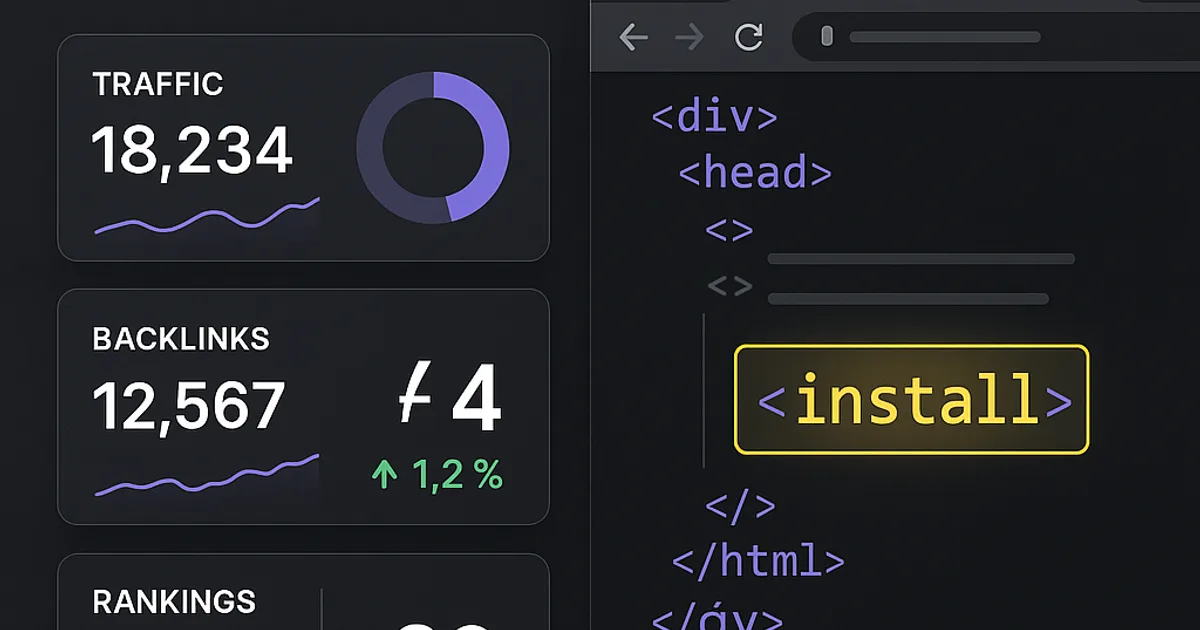
3. New HTML Install Element: Simplifying Web App Adoption
Chrome has introduced an experimental HTML
For developers, this could reduce friction in progressive web app (PWA) adoption, making it easier to encourage users to engage with your app beyond the browser.
What this means for your stack: Monitor the
---
4. Keyword Intent vs. Search Intent: A Strategic Distinction
Ahrefs has highlighted a nuanced but crucial distinction between keyword intent and search intent. While search intent focuses on aligning content with what search engines reward, keyword intent emphasizes understanding user behavior earlier in the funnel [5].
For example, targeting transactional keyword intent (e.g., “buy running shoes online”) requires different content strategies than targeting informational intent (e.g., “how to choose running shoes”).
What this means for your stack: Audit your keyword strategy to ensure it aligns with both user behavior and search engine expectations.
---
5. Web Platform Innovations: January 2026 Highlights
In January 2026, several new features landed in stable and beta web browsers. While the specifics weren’t detailed in today’s sources, staying updated on these developments is crucial for maintaining cutting-edge web performance [6].
What this means for your stack: Regularly review updates on platforms like web.dev to ensure your site leverages the latest browser capabilities.
---
Sources
---
Authored by the ControlVitals Editorial Team — performance and SEO practitioners auditing real production sites every day.
Editorial transparency: this article was researched and drafted with AI assistance, then reviewed by our editorial team for factual accuracy before publication.